O is for Ontology

󰃭 2026-01-28 | #ontology

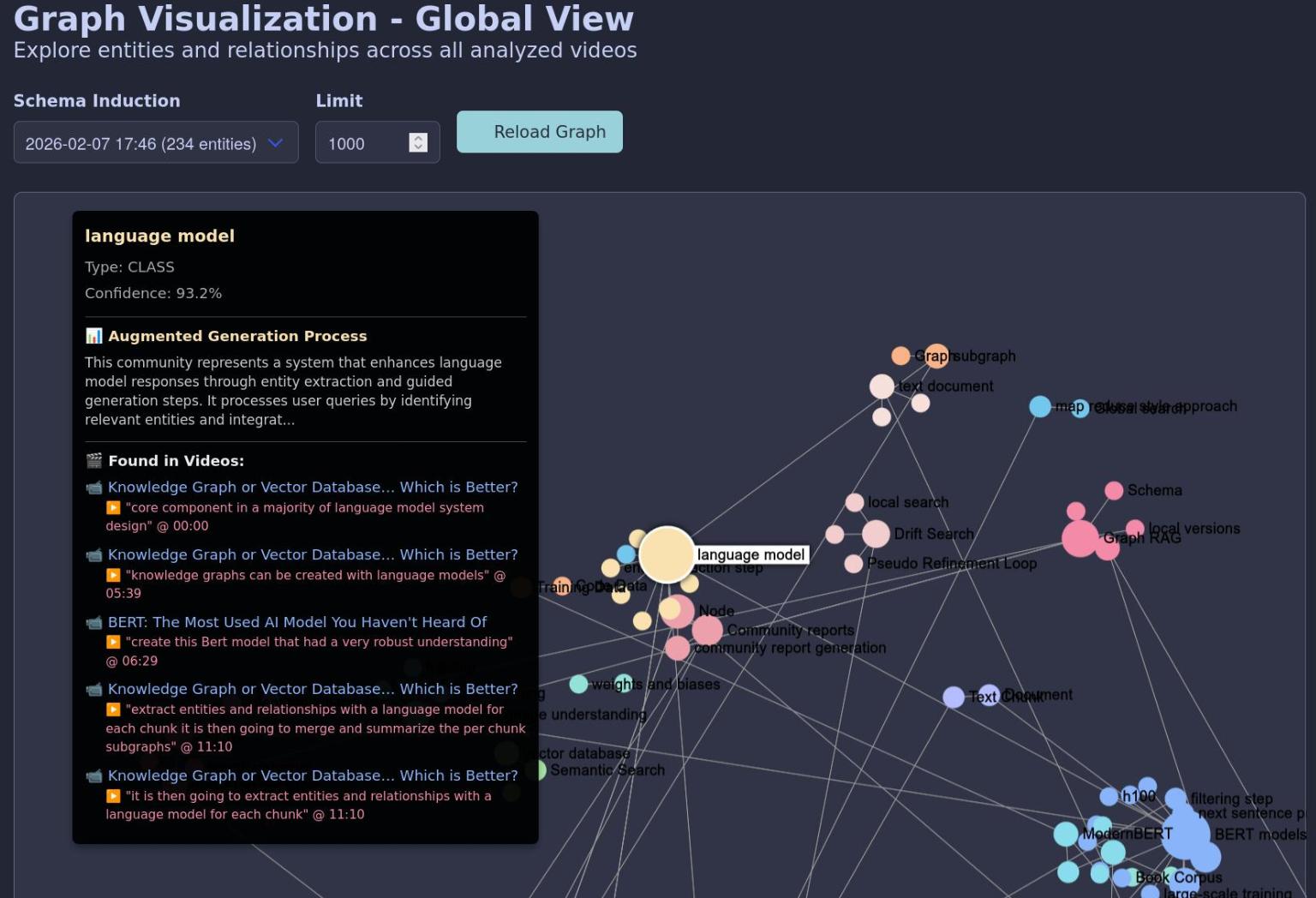
I have developed my own YouTube video transcript RAG. I wanted to read summarized transcripts as blog posts, but when I was at the stage that the blog posts appeared in my blog right after a video that I had in my subscriptions was published I thought that I also would like to have all the content accessible for AI so I could ask an LLM about topics of the videos my system had consumed and an LLM would answer with all the references back to the videos where a piece of information was found.

Continue reading 


When Scripts Turn into a System

󰃭 2026-01-19 | #ai #ai engineering #guardrails #pydantic-ai #software development #spec driven development #symfony-ai #vibe-code #workflow

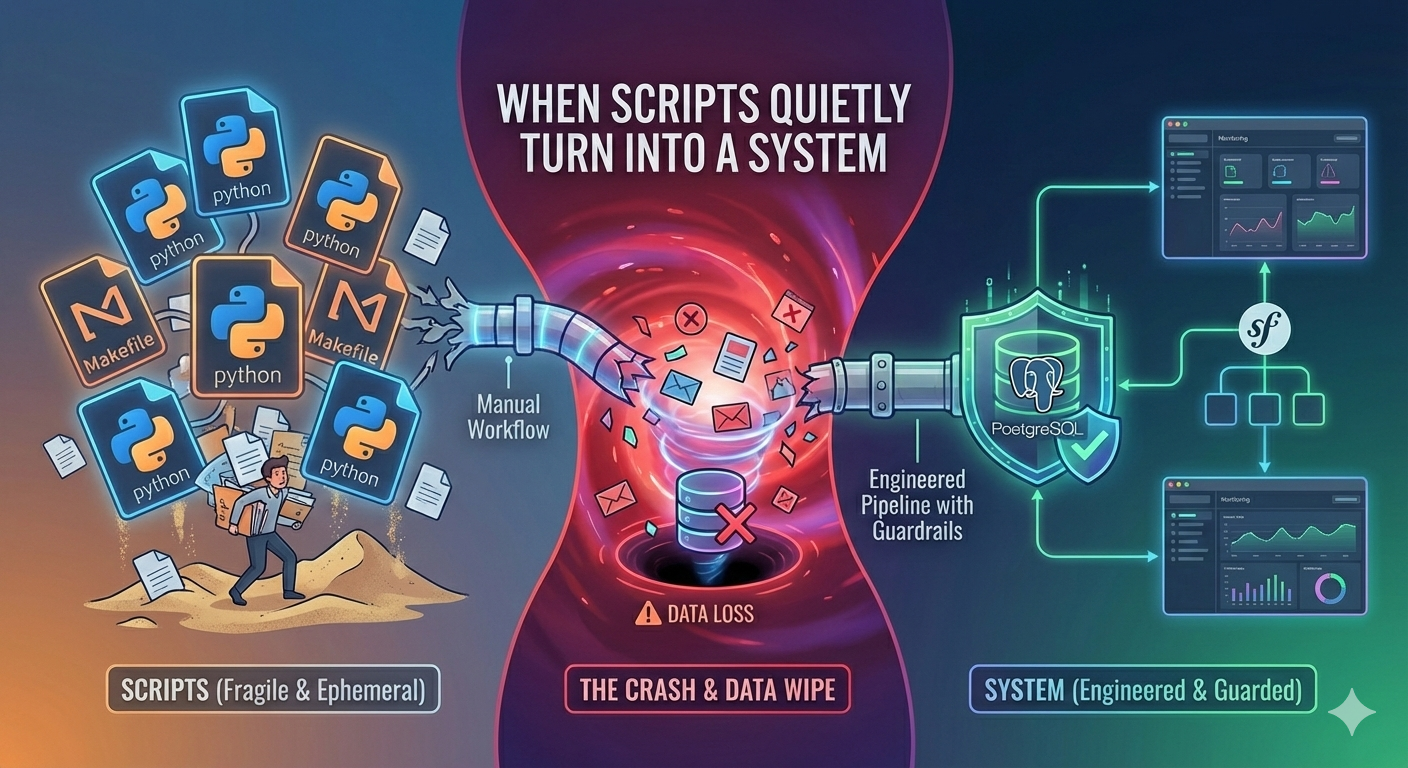
A Makefile orchestrated a couple of Python scripts. For a few days, my setup felt almost boring — in a good way. I copied a YouTube video ID, pasted it into a Makefile, ran a command, and with a prompt to analyze the transcript, an AI produced Markdown and wrote it to a file. I copied the file to a GitHub repository, pushed it, and a static site generator turned it into something I actually enjoyed reading: HTML in the browser, and an RSS feed I could follow like a personal newspaper.

Continue reading 


I Thought I Needed Better Prompts. I Needed a System.

󰃭 2026-01-17 | #ai #ai engineering #application #application layer #workflow

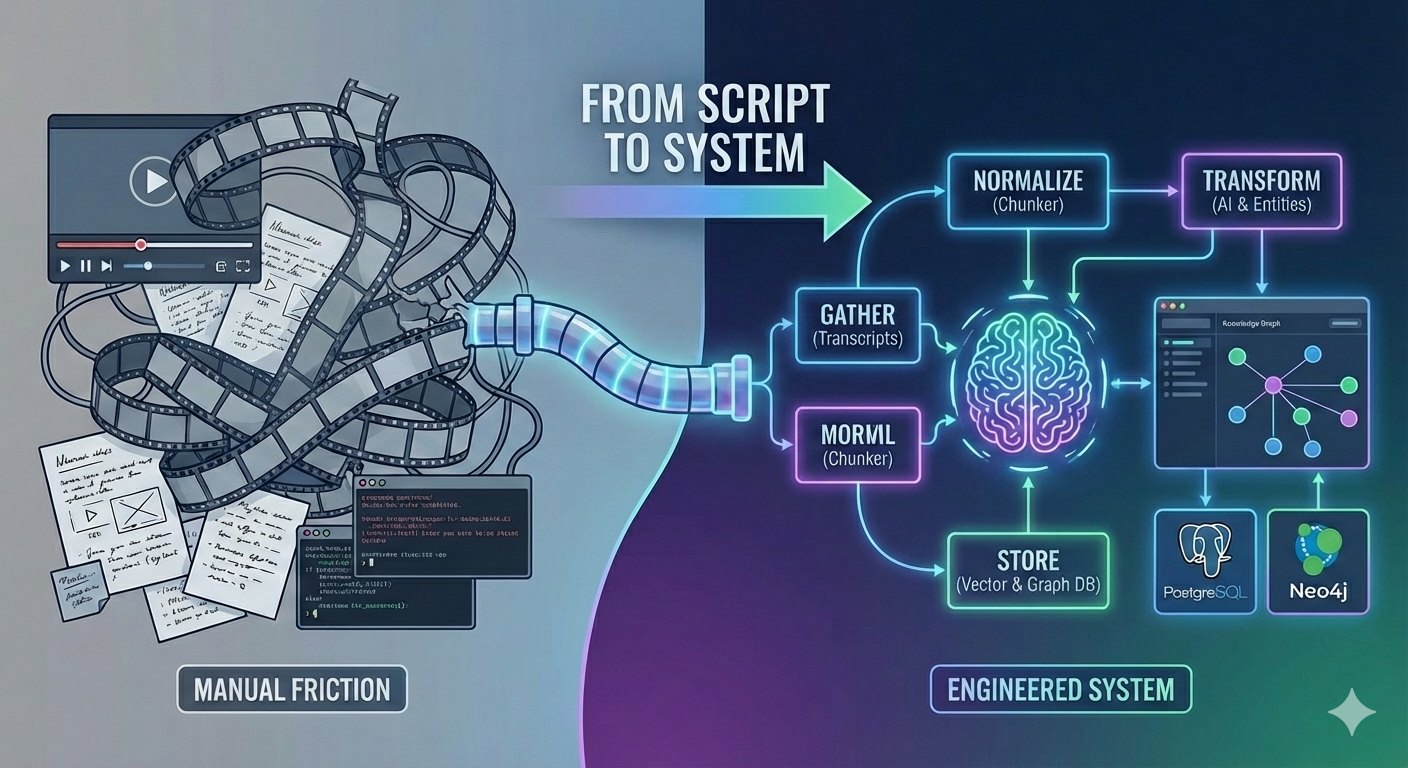
I have a busy family life and no time to watch hours of YouTube tutorials. Also, I find the information density very sparse and extracting the information very time-consuming. My “Neo from the Matrix” fantasy has always been to have knowledge injected directly into my brain—skipping the medium and going straight to the data. So my wish formulated that I would like to have the information extracted, so I can expose my brain to the compacted knowledge and speed through all the knowledge I would like my brain to have consumed.

Continue reading 


Mocks vs. Fakes - Why Mocks Make Refactoring Hard

󰃭 2025-11-03 | #architecture #hexagonal architecture #php #tdd #testing

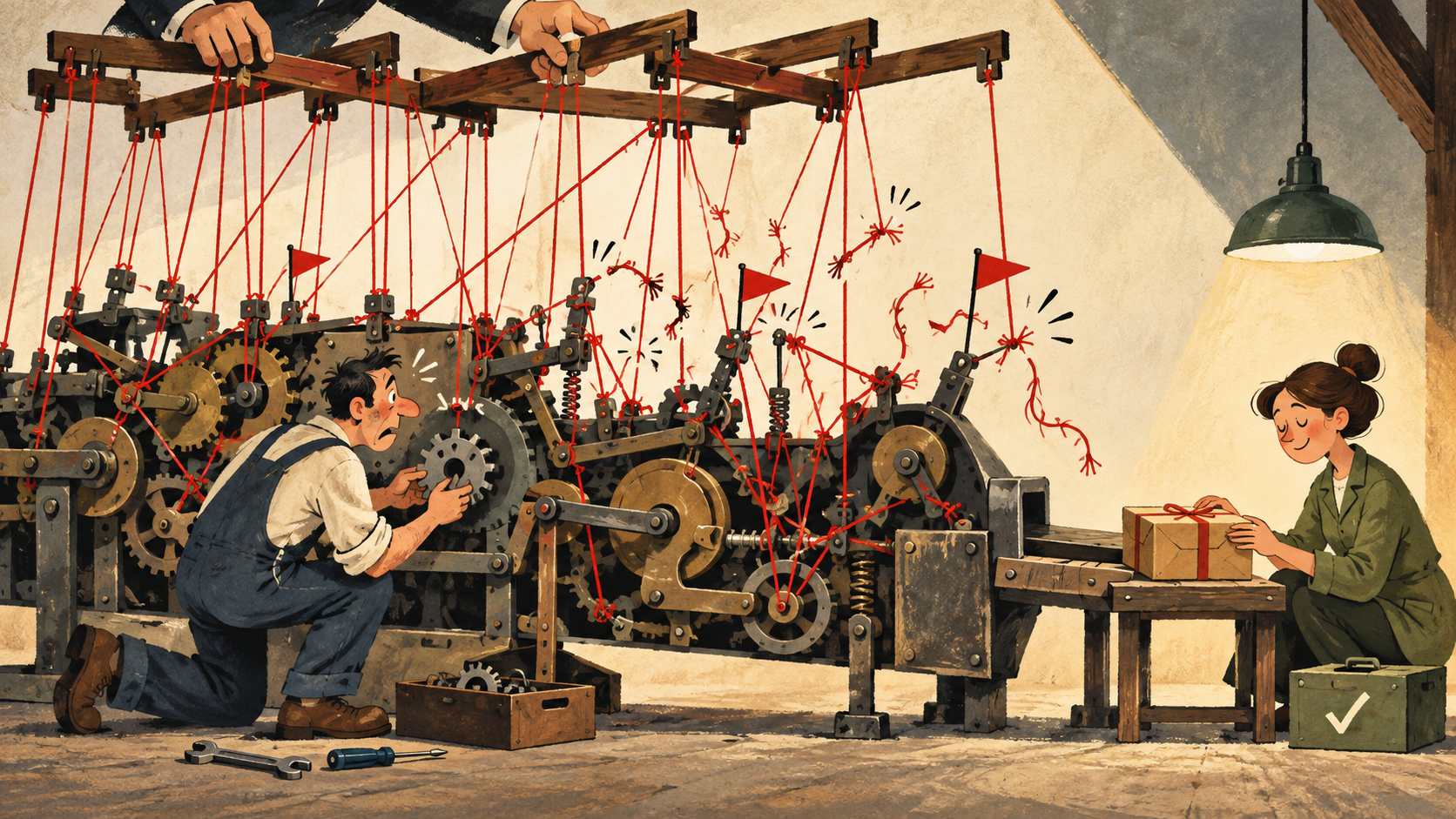
A good test should tell me if a feature is broken. But I have worked with many tests that failed only because I moved a method call, renamed something, or changed code that no user could see.

Most of these tests had one thing in common: every dependency was mocked. The tests knew exactly how the code worked inside, but they knew very little about the final result.

TL;DR

Mocks often test how the code works. Fakes let you test what the code does.

Continue reading 